Many parents dedicate time and effort to helping their children with schoolwork, yet still notice resistance, frustration, or limited progress. Interestingly, children often respond more positively and make faster academic gains when learning from someone outside the family. This does not reflect a lack of parental support; rather, it highlights how learning dynamics change depending on the teacher–student relationship.
Emotional Boundaries Support Better Focus
The parent–child relationship is deeply emotional, which can unintentionally interfere with learning. Children may feel pressure to meet expectations, fear disappointing their parents, or become defensive when corrected. These emotions can create tension and reduce concentration during study time.
A tutor, on the other hand, provides a neutral and emotionally balanced learning environment. Without the weight of family dynamics, children often feel more relaxed, open to feedback, and willing to engage with challenging material.
Children Separate “Parent” and “Teacher” Roles
Children naturally associate parents with care, comfort, and authority, not formal instruction. When parents attempt to take on the role of teacher, it can blur boundaries and lead to resistance or lack of seriousness. Instructions that might be accepted from a tutor are sometimes ignored or challenged when coming from a parent.
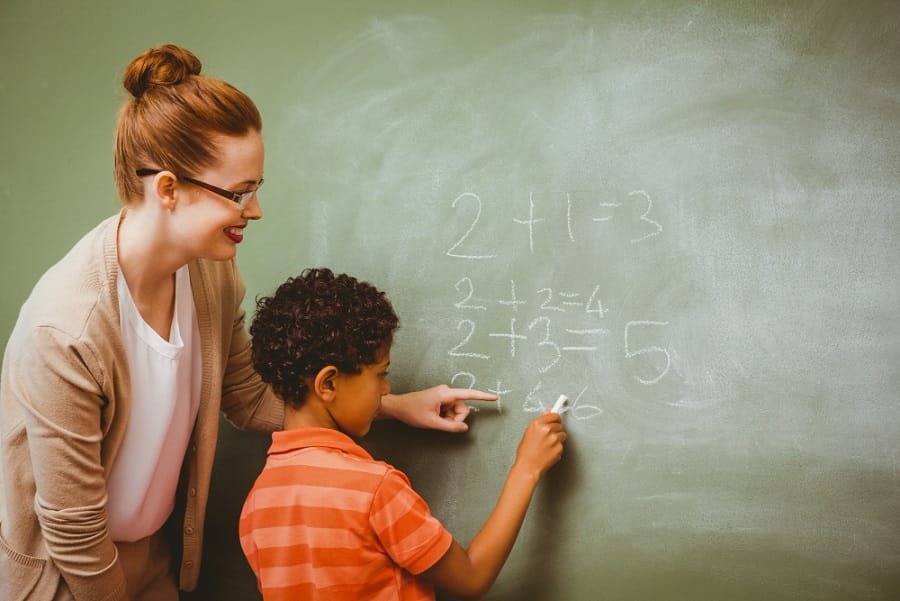
Tutors are clearly perceived as educators. This distinction helps children shift into a “learning mindset,” making them more attentive, cooperative, and respectful of the teaching process.
Teaching Methods Are More Objective and Structured
Parents may explain concepts based on how they learned them, which may not align with modern curricula or a child’s individual learning style. Additionally, parents can unintentionally move too quickly or become frustrated if progress is slow.
Professional tutors are trained to assess learning gaps, adapt teaching strategies, and deliver lessons in a structured, step-by-step manner. This objective approach helps children grasp concepts more clearly and build confidence over time.
Children Feel Safer Making Mistakes
At home, children may hesitate to ask questions or admit confusion, fearing criticism or disappointment. This fear can prevent them from fully engaging in learning.
With a tutor, children often feel more comfortable making mistakes and asking questions freely. This safe learning space encourages curiosity, deeper understanding, and active participation—key elements of effective learning.
External Guidance Encourages Independence
Learning from someone outside the family helps children develop independence and accountability. They learn to take responsibility for their work, manage expectations, and communicate openly about challenges. These skills are valuable not only academically but also for long-term personal development.
Supporting, Not Replacing, Parental Involvement
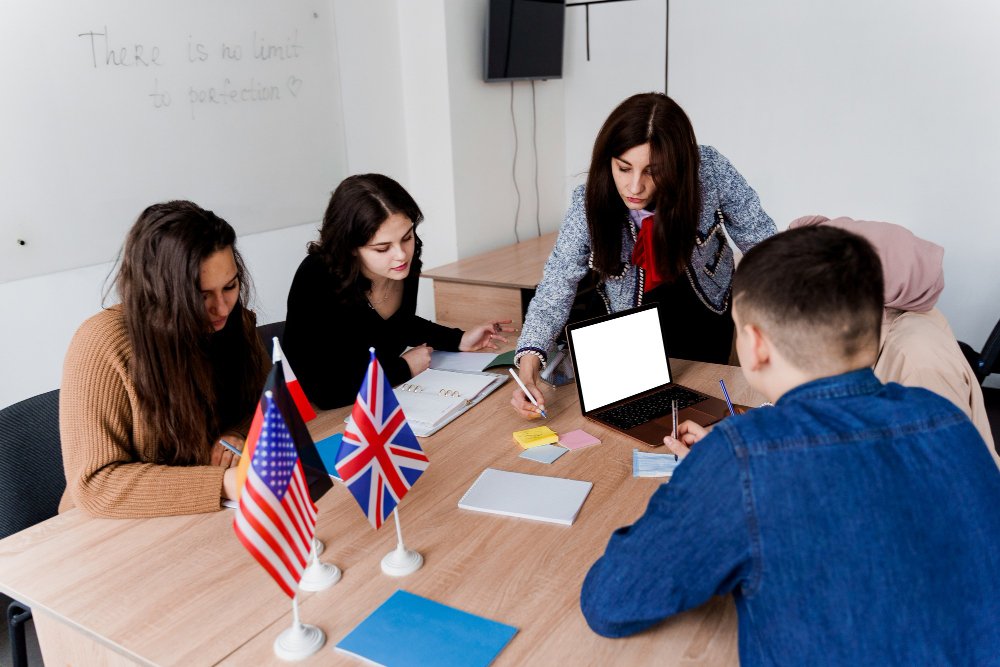
Tutoring does not replace the role of parents; instead, it complements it. Parents provide encouragement, routine, and emotional support, while tutors focus on academic instruction and skill development. This balanced approach often leads to better outcomes and a more positive learning experience for the child.
Conclusion
Children often learn better from tutors because the learning environment is emotionally neutral, structured, and focused solely on education. Clear role boundaries, professional teaching methods, and a safe space to learn all contribute to improved understanding and confidence. By combining parental support with expert tutoring, children are better equipped to reach their full academic potential.